Mastering Visual Depth with Abstract Pattern Shape Texture Elements
In the rapidly evolving landscape of digital design, the demand for assets that bridge the gap between minimalism and expressive complexity has never been higher. Designers, marketers, and content creators are constantly seeking tools that allow for rapid iteration without sacrificing aesthetic quality. This is where the concept of an Abstract Pattern Shape Texture Element becomes pivotal. These are not merely decorative afterthoughts; they are foundational building blocks that define the mood, hierarchy, and visual interest of modern creative projects. By leveraging a collection of vibrant abstract shapes filled with playful patterns and textures, creators can unlock a new level of versatility in their work.
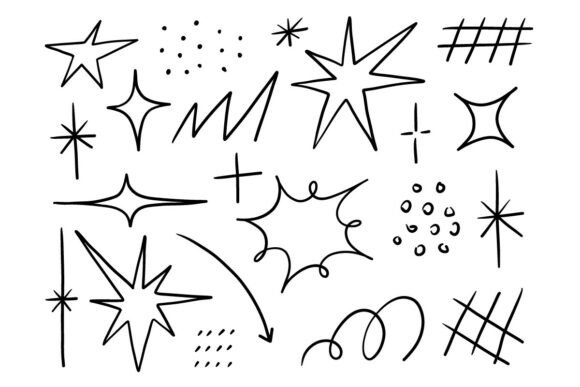
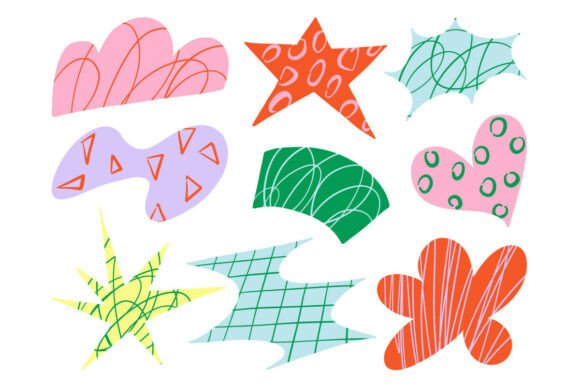
The core appeal of these elements lies in their hybrid nature. They combine organic fluidity with geometric precision, enhanced by intricate details such as lines, grids, dots, and scribbles. This fusion creates a dynamic tension that captures attention and guides the viewer’s eye through a composition. Whether used in high-stakes branding materials or casual social media graphics, these assets provide the necessary depth to transform flat designs into layered, engaging visual experiences.
The Anatomy of Modern Abstract Design
To fully utilize these resources, it is essential to understand what constitutes a high-quality abstract element. The most effective collections feature a diverse array of forms. On one end of the spectrum, you have organic shapes, which mimic the irregular, flowing contours found in nature. These shapes evoke feelings of comfort, creativity, and approachability. On the other end are geometric forms, characterized by sharp angles, perfect circles, and structured polygons. These convey stability, order, and professionalism.
However, shape alone is often insufficient. The true magic happens when these forms are infused with texture. A solid color block may serve a purpose, but a shape filled with a subtle grid pattern or hand-drawn scribbles adds a tactile quality to digital screens. This textural layering is crucial for creating visual interest and depth. It prevents designs from appearing sterile or generic. The inclusion of bold shapes and colorful combinations ensures that each element stands out while remaining harmonious within a larger layout. This balance allows for flexible compositions that can swing between minimal elegance and maximalist expression depending on the project’s needs.
Practical Applications Across Industries
The versatility of abstract pattern shape texture elements makes them indispensable across a wide range of industries and use cases. Their adaptability ensures that they are not confined to a single niche but serve as universal tools for visual communication.
Branding and Corporate Identity
For businesses looking to establish a modern brand identity, these elements offer a way to differentiate themselves without relying on clichéd imagery. A tech startup might use geometric shapes with clean line patterns to suggest innovation and precision. Conversely, a lifestyle brand could opt for organic shapes with soft, dotted textures to communicate warmth and community. The ability to mix and match these elements allows for the creation of unique brand assets that are scalable and consistent across various touchpoints, from business cards to large-format banners.
Social Media and Digital Marketing
In the fast-paced world of social media, stopping the scroll is paramount. Abstract elements provide an instant visual hook. They can be used as backgrounds for quote graphics, overlays for product photos, or standalone posts that highlight a brand’s aesthetic. The vibrant colors and playful patterns inherent in these collections are specifically designed to perform well on digital platforms. They add energy and movement to static images, making content more shareable and engaging. Furthermore, because these elements are easy to combine and arrange, social media managers can quickly produce fresh content without needing extensive design skills.
Editorial and Print Design
Print media benefits significantly from the high-resolution capabilities of these assets. Whether designing a magazine spread, a poster, or packaging, the intricate details of lines and grids add sophistication. The contrast between bold shapes and delicate textures creates a rich visual narrative that keeps readers engaged. For educators and researchers, these elements can be used to break up dense text, illustrate concepts abstractly, or create visually appealing headers and footers that enhance readability and retention.
Technical Advantages and File Formats
Understanding the technical specifications of your design assets is just as important as their aesthetic appeal. A professional-grade collection of abstract elements must offer flexibility in file formats to accommodate different workflows and software preferences. The ideal package includes a comprehensive suite of file types, ensuring that users can integrate these elements seamlessly into their projects.
- SVG Files: Scalable Vector Graphics are essential for web design and responsive layouts. They allow for infinite scaling without loss of quality, making them perfect for icons, logos, and interactive elements. SVGs are also lightweight, contributing to faster page load times.
- PNG Files: Portable Network Graphics with transparent backgrounds are the workhorse of digital design. They are ideal for overlaying abstract shapes onto photographs or complex backgrounds without unwanted white boxes. PNGs preserve the integrity of the textures and colors, ensuring crisp visuals on screens.
- EPS Files: Encapsulated PostScript files are the standard for professional print design. They are compatible with industry-standard software like Adobe Illustrator and InDesign, allowing designers to edit individual paths, colors, and strokes. This level of control is crucial for customizing elements to fit specific brand guidelines.
- JPG Files: While less flexible than vector formats, JPGs serve as excellent previews and quick-use assets for non-designers. They are universally compatible and easy to share, making them useful for mockups and presentations.
Having all files neatly organized and ready to use saves valuable time. Designers can drag and drop elements directly into their projects, focusing on creativity rather than file management. This efficiency is particularly beneficial for hobbyists and small business owners who may not have dedicated design teams.
Strategies for Effective Composition
While having access to high-quality assets is a significant advantage, knowing how to use them effectively is what separates amateur designs from professional ones. The key to mastering abstract pattern shape texture elements lies in understanding balance, hierarchy, and contrast.
Layering for Depth: One of the most powerful techniques is layering. By placing multiple shapes with different opacities and patterns on top of each other, you can create a sense of three-dimensional space. Try combining a large, solid organic shape in the background with smaller, geometric shapes featuring intricate grid patterns in the foreground. This creates a visual journey for the eye, moving from the broad strokes to the fine details.
Color Harmony: Although these elements come with bold and colorful combinations, it is important to consider the overall color palette of your project. Use the abstract shapes to accentuate your primary brand colors or introduce complementary hues to create vibrancy. Avoid using too many competing colors, which can lead to visual clutter. Instead, let the textures and patterns provide the complexity while keeping the color scheme cohesive.
Whitespace Management: Abstract elements thrive in environments with adequate whitespace. Do not feel compelled to fill every inch of the canvas. Allowing negative space around your shapes gives them room to breathe and emphasizes their form. This minimalist approach enhances the impact of the bold shapes and ensures that the design remains clean and modern.
Future-Proofing Your Creative Toolkit
As design trends continue to shift towards more personalized and authentic visual languages, the reliance on generic stock photography is decreasing. Brands and creators are increasingly turning to custom-looking abstract art to convey unique identities. Investing in a versatile collection of abstract pattern shape texture elements is a strategic move that future-proofs your creative toolkit. These assets are not tied to fleeting trends; their fundamental principles of shape, pattern, and texture are timeless.
Moreover, the ease of editing provided by vector formats means that these elements can evolve with your brand. You can recolor, reshape, and recombine them indefinitely, ensuring that your visual content remains fresh and relevant. Whether you are a seasoned graphic designer, a marketing professional, or an educator looking to enhance your materials, these elements offer a robust solution for contemporary design challenges.
In conclusion, the integration of abstract shapes, playful patterns, and dynamic textures into your workflow offers unparalleled creative freedom. By understanding the characteristics of these elements and leveraging their technical advantages, you can create compelling, professional-grade designs that resonate with your audience. The ability to mix minimal and expressive styles ensures that your work remains versatile and impactful across both digital and print mediums. Embrace the power of abstraction to elevate your visual storytelling and stand out in a crowded digital landscape.